Data Center Construction Logistics & Freight Coordination

Mission-Critical Logistics for Data Center Construction
Data center construction is one of the most demanding sectors in commercial construction today. Schedules are compressed. Equipment is oversized. Security requirements are strict. Delivery windows are narrow. And every missed milestone can impact contractors, commissioning teams, and project completion dates. SET Logistics helps EPC firms, general contractors, equipment suppliers, and project teams coordinate transportation and site logistics required to keep data center projects moving from groundbreaking through commissioning.
Get a quote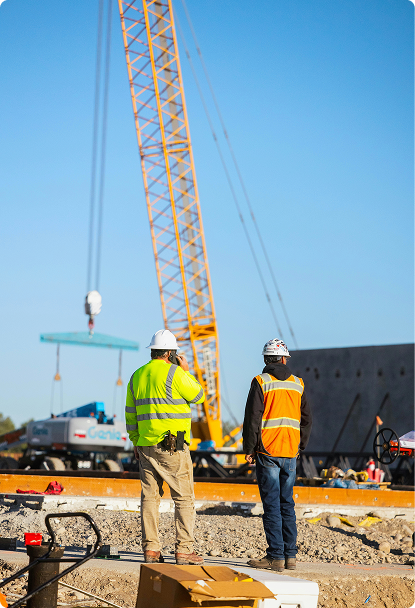

Why Data Center Logistics Is Different
A modern data center is far more than a building. It is a carefully coordinated system of power infrastructure, cooling systems, structural components, electrical distribution equipment, backup generation, and networking infrastructure. Before a single server is installed, hundreds of truckloads of equipment and materials must arrive on schedule. The challenge is not simply moving freight—it is coordinating transportation around execution. That means aligning delivery sequencing, crane scheduling, laydown space, site access, oversized freight movement, and commissioning milestones into one unified flow.

Core Data Center Logistics Services
SET Logistics provides end-to-end coordination across all phases of data center construction logistics. We support construction logistics coordination, freight coordination, site logistics management, oversized freight movement, and EPC logistics alignment to ensure project execution stays on schedule.
Get a quote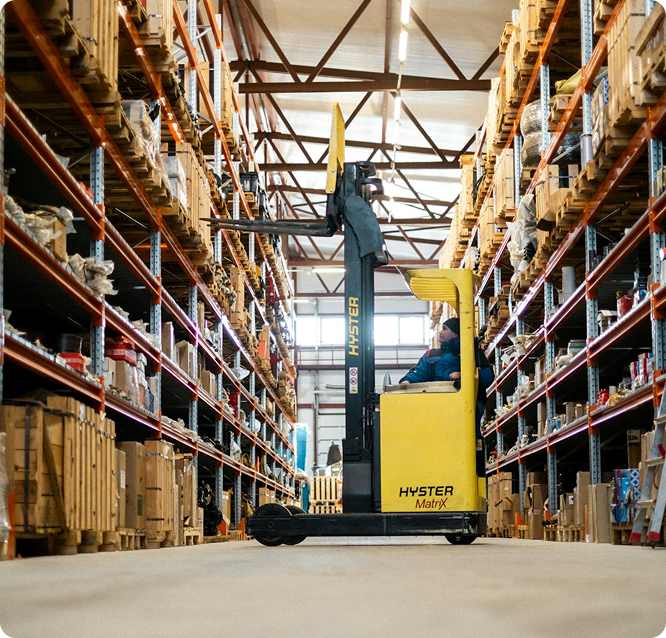

Industries We Support
Data Centers, Manufacturing Facilities, Energy & Power Generation, Industrial Construction, and Infrastructure Projects across the United States.
Data Center Construction Logistics
Data Center Construction Logistics
Freight coordination built around the build schedule, not the other way around.
A data center project runs in a sequence: site work, then steel, then mechanical and electrical, then commissioning. Every phase has its own freight, its own delivery window, and a crew waiting on the other side of the gate. When the load lands in sequence, the job moves. When it doesn’t, everybody feels it.
That’s the freight SET coordinates for the EPCs, general contractors, equipment suppliers, and fabricators building data center campuses across the Southeast and beyond. We move each load in the order the site needs it, on the trailer it requires, with paperwork and gate credentials sorted before the driver leaves the yard. Your crews stay productive. We’ll keep the trucks in sequence.
Why Data Center Construction Is Different
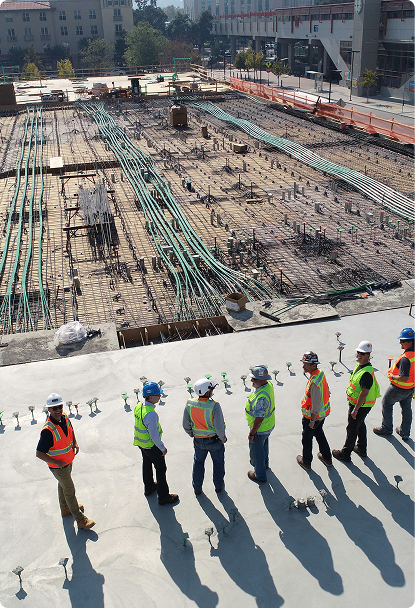
A data center campus doesn’t receive to one location. Freight lands at different gates, different buildings, and different laydown yards, in different phases of the job. Steel arrives while foundations are still being poured two buildings over. Gensets and switchgear show up while the first hall is racking toward commissioning. Every delivery has a place it belongs and a window it belongs in.
Coordinating freight into a site like that is a different job than booking trucks. It takes one team watching every load against the site calendar, so each truck arrives at the right gate, in the right order, when the crew and the crane are ready for it.
This is where SET Logistics provides value.
Critical Equipment
From the first load of steel to the last chiller, SET coordinates the freight behind every major system on the campus.
Structural Steel & Building Components
Structural steel, precast concrete, modular assemblies, and building materials delivered throughout multiple construction phases.
Transformers & Utility Infrastructure
Power transformers, substations, and utility equipment that support facility energization
Backup Power Systems
Standby generators, fuel systems, and supporting infrastructure required for redundancy and uptime.
Electrical Distribution Equipment
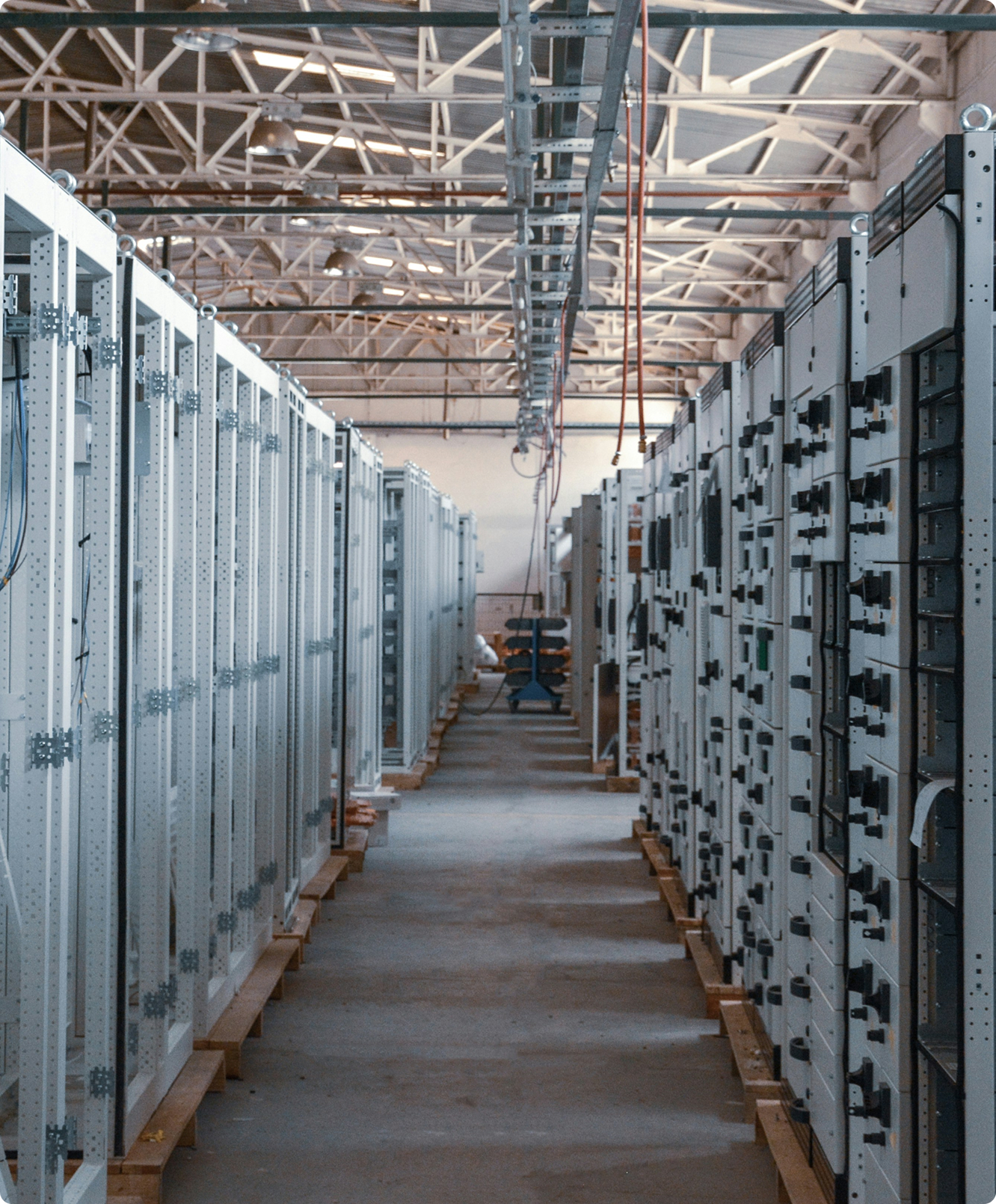
Switchgear, busway systems, power skids, and prefabricated electrical buildings.
Cooling Infrastructure
Chillers, cooling towers, heat exchangers, and thermal management systems.
Battery Energy Storage Systems
Battery storage containers and supporting electrical infrastructure.
Heavy Construction Equipment
Boom lifts, earthmoving equipment, cranes, and specialized construction machinery.
Managing Deliveries on Active Construction Sites
Successful transportation is about more than getting equipment to the project. It is about ensuring deliveries support construction schedules rather than disrupt them.
Delivery Sequencing
Aligning transportation schedules with installation schedules and project milestones.
Site Access Requirements
Supporting appointment scheduling, controlled-access facilities, and security procedures.
Crane Picks & Lift Windows
Coordinating delivery timing around equipment installation activities.
Laydown Space Management
Reducing congestion by helping equipment arrive when the site is ready.
Project Communication
Providing a single point of contact for transportation-related coordination and issue management.
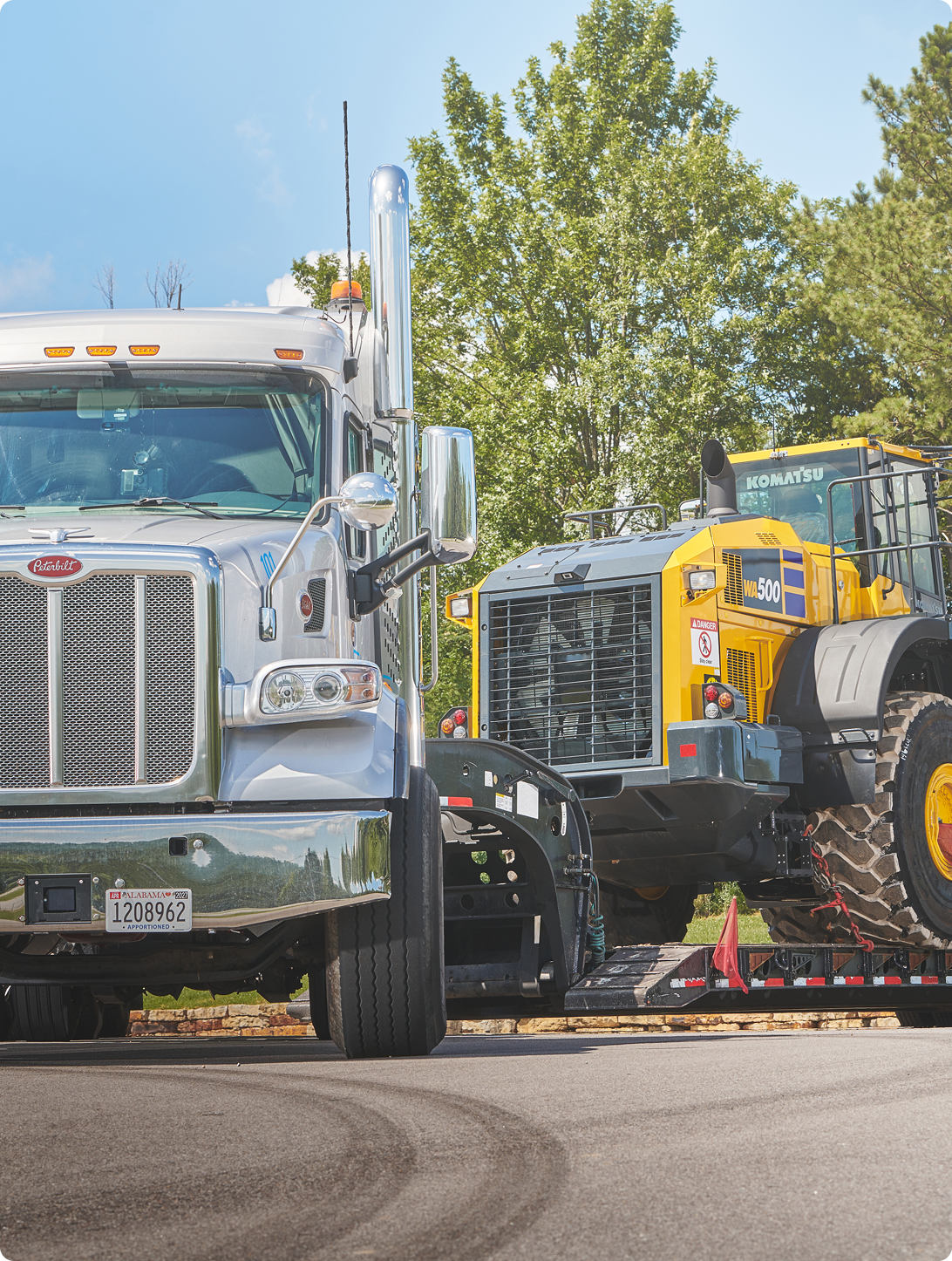
Oversized and Specialized Freight
Many of the largest components used in data center construction exceed standard shipping dimensions. These shipments often require specialized planning and coordination.
Whether moving a transformer, generator, electrical building, or cooling system, our team helps ensure transportation aligns with project requirements.

Supporting EPC Firms and General Contractors
Transportation problems often become construction problems. A delayed shipment can impact labor schedules, equipment installation, commissioning activities, and project budgets.
SET Logistics works with EPC firms, General contractors, Construction managers, Site logistics coordinators, Owners representatives, and Equipment suppliers. Our goal is to reduce transportation-related risk while improving visibility across the project lifecycle.


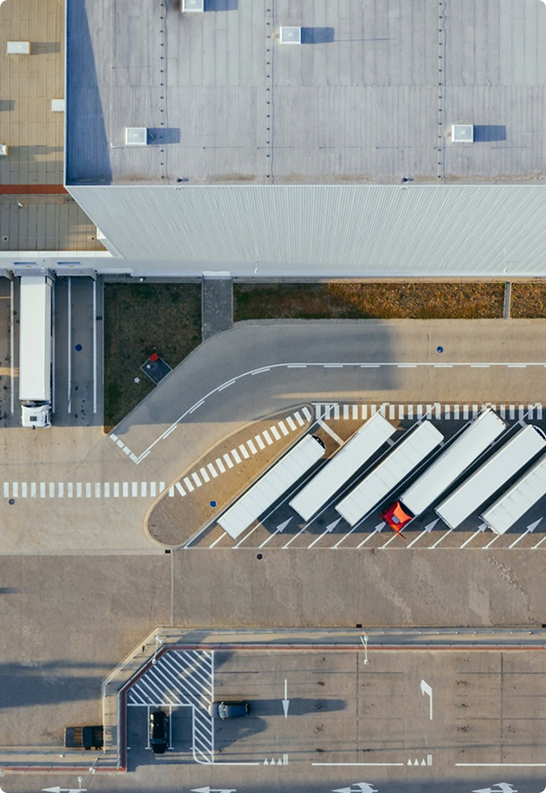
Security and Risk Management
Data center equipment often represents significant financial investment and critical-path project milestones.
Why SET Logistics
SET Logistics combines transportation expertise with an understanding of how construction projects operate. Our team provides specialized equipment expertise, a nationwide carrier network, project-based coordination, real-time visibility, dedicated communication, and responsive 24/7 support.
Request a Logistics Strategy SessionData Center Freight Coordination
SET Logistics helps contractors, EPC firms, equipment suppliers, and project teams coordinate the flatbed, step-deck, and RGN freight behind today’s data center construction projects. From structural steel and transformers to generators, switchgear, and cooling systems, we help ensure critical equipment arrives when the site is ready for it.
Data center schedules leave little room for delays. Our team coordinates carriers, permits, appointments, and delivery timing so your project can stay on track from groundbreaking through commissioning.
Data Center Site Logistics
Building a data center requires more than trucks. It requires hundreds of deliveries arriving in the right sequence, at the right time, with the right site access, documentation, equipment, and communication.
SET Logistics helps EPC firms, general contractors, and project teams coordinate the movement of materials and equipment into active construction sites while minimizing disruption to construction schedules and commissioning milestones.
Data Center Transformer Transportation
Transformers are among the most critical—and challenging—components delivered to a data center project. Their size, weight, value, and role in project sequencing make transportation planning essential.
SET Logistics coordinates transformer transportation throughout the Southeast and nationwide, helping EPC firms, utilities, contractors, and equipment suppliers move critical power infrastructure safely and on schedule.
Data Center Generator Transportation
Backup power is at the heart of every data center. Generators often represent some of the highest-value and most schedule-sensitive deliveries on a project.
SET Logistics helps coordinate transportation for standby generators, generator enclosures, fuel systems, and related infrastructure throughout the United States. We align delivery schedules with site conditions, crane availability, and installation teams so commissioning schedules stay on track.
Data Center Switchgear Transportation
Equipment Switchgear plays a critical role in data center power distribution. Because installation schedules are often tightly coordinated, transportation delays can impact multiple project milestones.
SET Logistics helps contractors, EPC firms, and manufacturers coordinate switchgear transportation nationwide.
Oversized Freight for Data Centers
Many of the largest components used in data center construction exceed standard shipping dimensions and require specialized transportation planning.
SET Logistics coordinates oversize and heavy-haul freight for data center projects across the Southeast and nationwide.
Construction & EPC Logistics Coordination
Construction and EPC projects depend on more than freight delivery. They depend on timing, sequencing, and execution alignment across every stakeholder on site.
SET Logistics coordinates transportation, scheduling, and site access to keep critical construction projects moving without disruption.
Frequently Asked Questions
What is data center freight?
The oversized, high-value equipment it takes to build a campus before a single server arrives: structural steel, transformers, switchgear, generators, battery storage, chillers, and prefab electrical buildings. Nearly all of it moves on flatbed, step-deck, and RGN trailers.
What data center equipment does SET Logistics transport?
As a freight broker, SET coordinates transportation of steel, prefab and modular enclosures, eHouses and power skids, generator sets, medium-voltage transformers, switchgear, battery energy storage (BESS) enclosures, chillers, and busway. That covers the standard-haulable slice of every major equipment system on a data campus.
How much freight does one data center generate?
A single 250,000-square-foot data center takes roughly 3,500 tons of structural steel, about 150 to 175 flatbed loads, before any equipment arrives. A full campus multiplies that across power, cooling, and electrical systems.
How is data center delivery different from general freight?
Deliveries are sequenced against a hard construction schedule, into sites with controlled gate access, limited laydown space, and delivery windows coordinated with cranes and installation crews. Standard freight moves dock-to-dock. Data center freight moves against a clock other trades are standing on.
What trailers are used for data center equipment?
Flatbed for steel and palletized components, step-deck for taller enclosed equipment like gensets and chillers, and RGN for the heaviest pieces. These are the same trailers SET coordinates every day for other construction and heavy equipment loads.
Can SET move data center transformers?
SET arranges transformer transportation all the time. Medium-voltage and medium-power transformers up to roughly 90,000 pounds move on multi-axle lowboys and RGNs under routine permits. For transmission-class transformers above 100 MVA, SET coordinates with specialized heavy-haul partners while contracting the surrounding freight to standard haulers.
Can SET haul battery energy storage (BESS) enclosures?
SET is experienced with arranging containerized BESS units in the 84,000 to 92,500 pound range to move on heavy-duty flatbed, step-deck, and RGN trailers, and we are able to provide carriers qualified and equipped for Class 9 hazmat freight, including placarding and driver training requirements.
What about superloads, the biggest transformers and turbines?
SET coordinates them. True superloads (150+ tons) need multi-axle hydraulic trailers, route surveys, and escorts. We manage that process end to end with specialized heavy-lift contractors, while assigning the standard-haulable modules, auxiliaries, and steel to our standard contracted carriers.
Why is flatbed capacity so tight for data center projects?
Data center construction has pushed open-deck demand to multi-year highs. National flatbed load-to-truck ratios have run above 60-to-1 during peak weeks, meaning far more loads than trucks. In that market, the carrier relationships a broker already has determine whether your freight moves on schedule.
How does equipment get secured for transport?
Securement requirements such as chains, straps, tarps, and blocking are specified before dispatch, SET matches loads to our contracted carriers with the equipment and experience the freight requires. Modular units and cooling equipment aren’t standard steel. The driver’s securement experience is an integral part of SET’s carrier selection process.
How does SET handle site access, gate check-in, and delivery windows?
Delivery appointments, gate procedures, driver credential requirements, and laydown instructions are confirmed with the site before dispatch and precisely relayed to the carrier on SET’s load documentation. And once a truck and driver are assigned, that information is relayed to the site. The truck that arrives is expected, credentialed, and pointed at the right gate.
What cargo insurance applies to high-value data center equipment?
SET requires all contracted motor carriers to maintain broad-form, all-risk Cargo insurance for the full value of the freight, with limits of at least $100,000 per truckload. Separately, SET maintains our own Shippers Interest Cargo insurance for the full value of each load, up to $2 million. Transformers, switchgear, and prefab electrical buildings are high-value freight. Got a special piece of equipment valued over $2M? Tell us what’s moving and we’ll procure the coverage before it ships.
How does SET verify carriers for data center projects?
SET uses multiple cutting-edge software systems and private peer networking groups to continuously vet carrier legal compliance, operations and safety records, and active insurance in real time, along with biometric verification of driver identity for all high-value freight. The process is designed to deliver safety, prevent fraud, and ensure that your load arrives without issue every time.
Who typically books data center freight, the tech company or the contractor?
Most transport is awarded by general contractors, EPC firms, equipment manufacturers, and regional dealers rather than the campus owner. SET primarily works with those builders and suppliers on freight into active sites, with forward communication to site personnel to ensure smooth delivery.
Where is data center construction happening in SET's coverage area?
The Southeast is one of the fastest-growing data center regions in the country. Virginia, Georgia, the Carolinas, Tennessee, Mississippi, Alabama, and Louisiana all have active campus construction, and SET is based in Alabama, right in the middle of those lanes.